Understanding Honey
From the Flowers to Your Table
Honey is one of nature's most remarkable foods. Every jar begins with thousands of bees visiting flowers, collecting nectar and bringing it back to the hive.
As beekeepers near Louth in Lincolnshire, we see this process unfold throughout the seasons. The flowers available, the weather and the landscape around our apiaries all play a part in the honey our bees produce.
Understanding where honey comes from helps you appreciate what is in the jar — and the bees, flowers and seasons behind it.

Part of the Ultimate Guide to Lincolnshire Honey
Honey Curious about the journey from flower to jar?
This page is part of our Ultimate Guide to Lincolnshire Honey, where we explore how bees make honey, the influence of the Lincolnshire landscape and seasons, and what happens before honey reaches your table.
Explore the Ultimate Guide
What Is Honey?
Honey begins as flower nectar. Flower nectar is a sweet, sugar-rich liquid secreted
by plants to attract pollinators and support ecological interactions.
Nectar is mainly composed of sugars, including sucrose, glucose, and fructose, which provide energy to pollinators. Worker bees visit thousands of flowers every day, collecting nectar before carrying it back to the hive in a special honey stomach.
Once home, that nectar is passed between house bees, where natural enzymes begin transforming it into honey. The bees then place it into wax cells before using the warmth and airflow inside the hive to slowly reduce the water content.
Only when the honey reaches the correct moisture level do the bees seal each cell with a thin layer of beeswax.
This process creates the honey we eventually harvest.
Explore this journey further in our From Forage To Honey Page


Our bees forage throughout the countryside surrounding Louth and across the Lincolnshire landscape.
Throughout the year they visit:
•Spring blossom
•Oilseed rape
•Hawthorn •Hedgerows
•Clover
•Brambles
•Lime trees
•Wildflowers
•Garden flowers
The flowers available constantly change, meaning no two harvests are ever exactly the same.
A warm spring, a dry summer or a season rich in wildflowers can all influence the honey produced by the bees.
This means honey can naturally vary in:
-
Colour
-
Aroma
-
Flavour
-
Texture
-
Crystallisation rate
Every harvest has its own character because every season is different.
Explore more on our page From Forage to Honey
Read more on our Blog Honey Made Around Louth & the Lincolnshire Wolds
Where Does Our Honey Come From And What Makes It so Different?
How Bees Turn Nectar Into Honey
The transformation from flower nectar to honey is a remarkable natural process.
It begins when foraging bees collect nectar from flowers and return to the colony. Other bees in the hive help process the nectar, while warmth and airflow inside the hive help reduce its moisture content.
The honey is stored in the comb until it is ready.
When the bees have finished with a cell, they seal it with a wax capping. For a beekeeper, these capped frames are one of the signs that the honey is ready to be considered for harvesting.
It is a process that happens naturally inside every healthy honey bee colony, long before the beekeeper ever opens the hive.

How Do We Harvest Our Honey?
Once the bees have sealed the honey with wax cappings, we know it is ready to harvest.
The honey is carefully removed from the hive before being:
-
Uncapped
-
Extracted
-
Lightly strained
-
Allowed to settle naturally
-
Carefully jarred
Throughout the process we aim to preserve the natural characteristics of the honey rather than over-processing it.
What Is Raw Honey?
Raw honey is honey that has been minimally processed after it has been harvested from the hive.
Our honey is gently strained to remove pieces of beeswax and other natural material from the extraction process, while retaining the natural character of the honey.
We don't heavily filter or pasteurise our honey.
Because honey is a natural product, its appearance, texture and flavour can vary from one harvest to another. This is part of what makes raw British honey so special.
The honey in your jar has a connection to the flowers, weather and season in which the bees collected it.


Why Does Honey Taste Different Every Year?
Natural honey doesn't have one standard colour, flavour or texture.
Some honey can be pale and delicate, while another harvest may be deeper in colour with a stronger floral character.
The same is true of texture. Freshly harvested honey may be naturally runny, while other honey will crystallise over time and become thicker. The speed and type of crystallisation depends partly on the natural balance of sugars in the honey.
This natural variation is not a fault.
It is simply part of honey's story, and where the bees have been foraging
.
Why Does Honey Crystallise?
Crystallisation is one of the most common questions we are asked.
The simple answer is that real honey naturally crystallises.
Some honeys crystallise quickly, while others stay runny for longer.
This depends largely on the natural sugars collected from different flowers.
Crystallised honey has not gone off or gone bad
It simply shows that the honey is behaving naturally and is genuine.


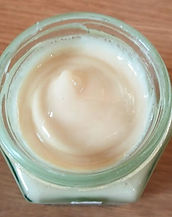
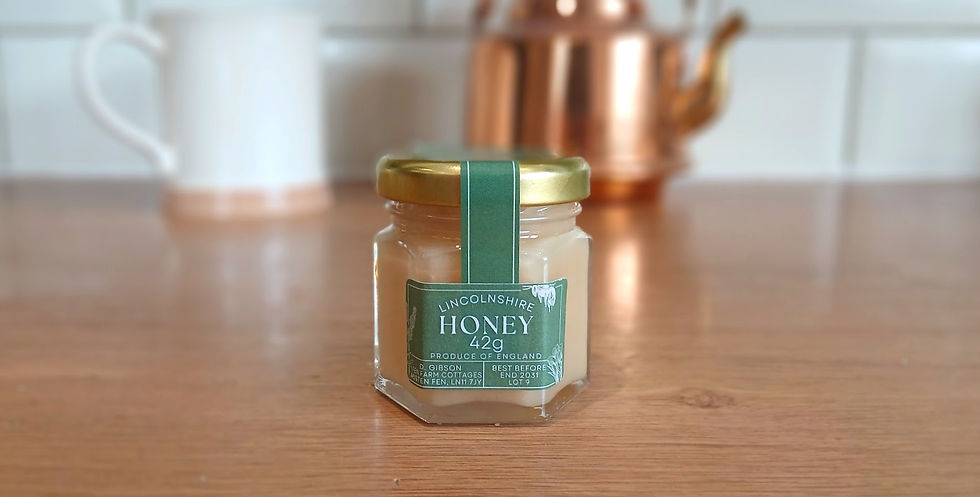
Soft set honey starts life as exactly the same honey as our runny honey.
It is then carefully prepared to encourage tiny, fine crystals, creating a smooth, creamy texture that's easy to spread.
Nothing artificial is added.
It's simply another way to enjoy real honey.
What Is Soft Set Honey?
Ways to Enjoy Honey
Honey is incredibly versatile.
Enjoy it:
-
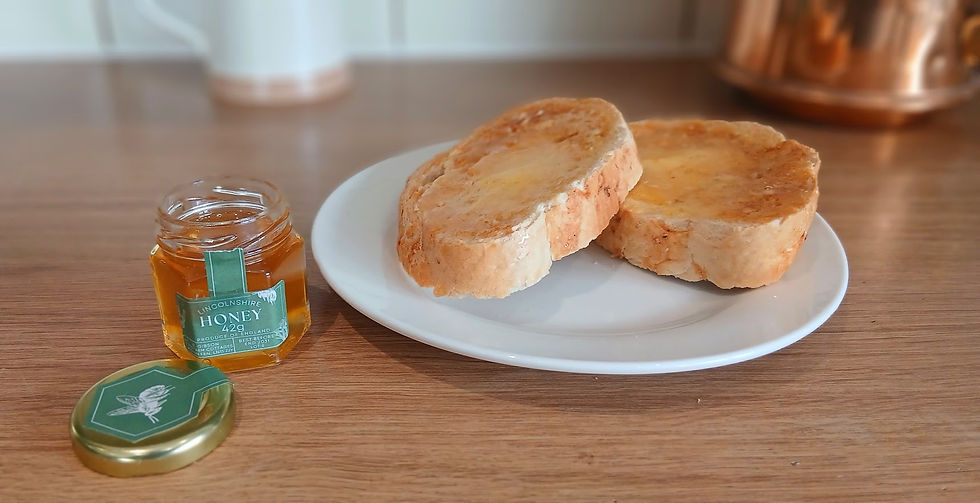
On toast
-
On crumpets
-
With yoghurt
-
In porridge
-
In baking
-
Stirred into tea
-
Drizzled over pancakes
-
With cheese
-
In marinades and dressings


Why Choose Local Honey?
Buying local honey supports local beekeeping while giving you honey that genuinely reflects the landscape where it was produced.
Every jar of our honey comes from our own bees near Louth, Lincolnshire.
We know exactly where it comes from because we're involved in every stage—from caring for the bees to extracting, jarring and packing the finished product.
Our Honey
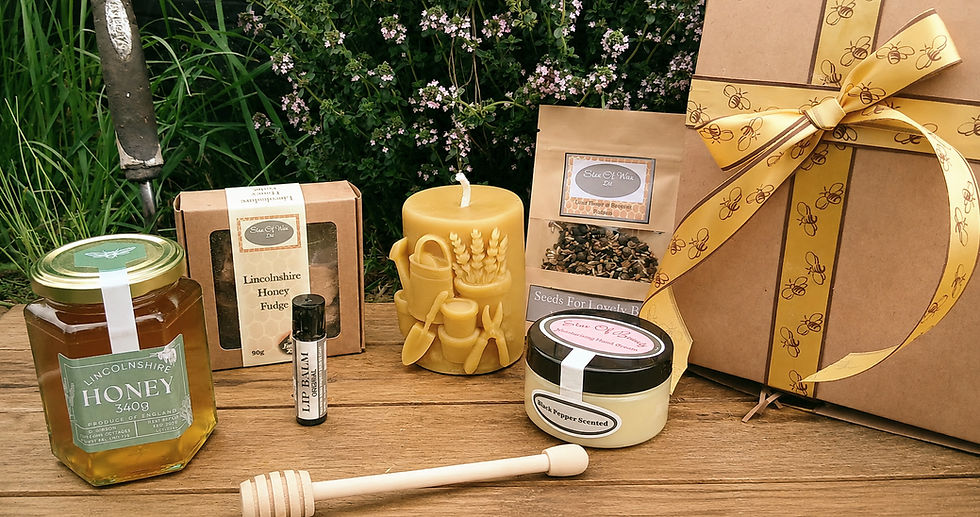
Whether you prefer a smooth, pourable honey or a creamy spreadable texture, we have something to suit every taste.
Our range includes:
Each one begins with the same hardworking bees.

Continue Exploring
If you'd like to learn more, click to explore our honey guides:
Or browse our full range of handmade Lincolnshire honey.