
Bee Information, Bee Facts & Beekeeping Guide
At Stax Of Wax Ltd, our bees are at the heart of everything we do. From producing Lincolnshire honey to crafting beeswax products, beekeeping connects us to the seasons and the landscape around us. Here you'll find information about the different types of bees found in the UK, fascinating honey bee facts, and simple ways you can help support pollinators.
Why are bees important?
Bees are some of the hardest-working creatures on our planet. Every day, they travel from flower to flower collecting nectar and pollen, helping plants, trees, crops and wildflowers to reproduce along the way. Without bees and other pollinators, many of the foods we enjoy, the flowers we admire and the habitats that support our wildlife would struggle to survive.
Sadly, bee populations have been declining for many years due to habitat loss, pesticides and changes in our environment.
Healthy bee populations support biodiversity, strengthen ecosystems and play a vital role in agriculture. Yet bees face increasing challenges from habitat loss, disease, pesticides and changing weather patterns.
At Stax of Wax ltd, we believe that protecting bees is about more than producing honey. It's about caring for the environment, supporting local wildlife and helping future generations understand the value of these remarkable insects. Every hive we manage contributes to a healthier, more diverse countryside and a brighter future for pollinators.
Honeybees and Wild Bees
Contrary to popular belief, it is not honeybees that are most at risk in the UK. Honeybees are managed and cared for by beekeepers, who provide hives, food support when needed, and protection from disease and harsh conditions.The greater concern lies with our wild bees. Britain is home to over 270 species of bee, including bumblebees and solitary bees, and many of these are in decline. They are far more vulnerable because they depend entirely on natural habitats and wild food sources, both of which have been reduced by modern land use, development, and changes in farming practices.
If we are serious about protecting pollinators, the focus must extend beyond managed honeybee colonies and toward restoring the wild spaces and flowers that our native bee species depend on.
What’s the Best Way to Help Bees?
Many people tell us they want to help bees and assume that getting a hive is the answer. While this comes from a good place, beekeeping is not the same as conserving wild bees, and it is not always the most effective way to support pollinators.
If your goal is to genuinely help bees, one of the most impactful things you can do is support wild bee populations. This means creating bee-friendly spaces with diverse, pesticide-free planting, allowing areas of natural growth where possible, and providing continuous sources of nectar and pollen throughout the seasons. Even small gardens, balconies, and community spaces can make a real difference when planted thoughtfully.
For those who are genuinely interested in keeping honeybees, the best first step is proper training. We always recommend learning through a local association such as the Louth Beekeepers Association or another recognised group. Honeybees are livestock and require responsible management, ongoing care, and a real understanding of their biology and needs.
Helping bees is not just about owning a hive — it is about understanding the wider ecosystem and making informed choices that support all pollinators, especially those most at risk.
Solitary bees , these bees live and survive as individuals, the female is responsible for making the nest and for collecting the food for her young, she usually dies before they emerge from their cells. She lays a single egg in a small hole or nest packed with pollen and honey, you may have seen a mining bee emerging from a hole in a brick wall, this is where she has laid an egg.
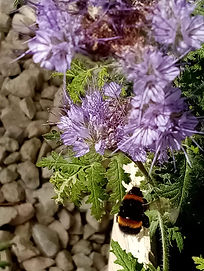
Social bees, these are the bumble bees we see in our gardens from early spring right through to the end of summer.
They live in small colonies of several hundreds, all the workers (female) and drones (male) die out at the end of the year leaving just a few mated queens to hibernate through the winter. In the spring the new queen emerges finds a small cavity, sometimes a bird box or an old mouse hole, and builds a few small cells, lays a few eggs, collects all the food (pollen and honey) and rears the young on her own and when the new bees are old enough to fly, they look after the queen and take over the role of foraging and caring for the young while the queen carrys on laying eggs etc. All the work the bumble bees do over spring and summer is just to raise a few new queens to get through winter into spring to start the cycle of life again.
Advanced social bees, these are the honey bees. The main difference between honey bees and the other types of bees is the fact they do not all die out in the winter and they do not hibernate but remain in the hive all through winter into the spring. It is for this very reason they collect nectar and pollen and make and store away honey, so they have enough food for the winter, until the flowers with pollen and nectar start again in the spring. The queen lays all the eggs for the colony (up to 2000 a day in the peak of the season) and is cared for by the worker bees, she only leaves the hive when she is young a few times to get mated, and then spends the rest of her life (up to four years) in the hive. In a typical colony of bees during the peak of the season there can be in excess of 60,000 bees within one colony.
All the workers within the colony are female, produce by a fertilised egg by the queen, these are the most populous of the colony, the males (drones) are only produced when the colony is at adequate strength, with plenty of stores (pollen and honey). The sole purpose of the drone is to mate with new queens, the do not collect pollen or nectar, nor do they look after and feed the young, they don't even have a stinger. The drone dies soon after successfully mating and come the end of autumn they are ejected from the hive to die out by the workers.

Fascinating Honey Bee Facts
Bees pollinate a third of our foods, and help other plants grow by transfering pollen between the male and female parts of the flower, for them then to produce new seeds
• Bees help pollinate around one third of the food we eat
• A worker bee lives around 5–6 weeks during summer
• Honey bees communicate using the famous waggle dance
• Bees can fly around 25 km per hour
• Their wings beat about 200 times per second
What We Can Do for Wild Bees
Helping wild bees doesn’t require a hive — it requires better spaces for them to live and feed.
One of the most effective things we can do is plant with pollinators in mind. Wild bees rely on a wide variety of flowers throughout the year, so creating gardens, green spaces, and verges that bloom from early spring through to late autumn makes a real difference. Choosing simple, nectar-rich plants and avoiding pesticides helps create a safer environment for them to thrive.
Leaving some areas to grow naturally can also have a big impact. Wild bees often nest in undisturbed soil, hedgerows, and long grass, so even small “wild corners” in gardens or community spaces can provide essential habitat.
Supporting local biodiversity projects, reducing chemical use, and encouraging wildlife-friendly land management all contribute to healthier populations of native bees.
Small actions, when done widely, add up to meaningful change — especially for the species that depend entirely on us to protect their habitats.




Common Questions About Bees
-
Do all bees make honey?
-
Why do bees swarm?
-
Can I keep bees in my garden?
-
You can find answers to these questions and more on our FAQ page
Life in Our Lincolnshire Apiaries
Spring in the Apiary
As the weather begins to warm, our colonies become increasingly active. Spring is a busy time of hive inspections, checking food stores, monitoring colony health and watching for signs of swarming. Early blossom from willow, fruit trees and oilseed rape provides valuable forage as the bees build up for the season ahead.
Summer and the Honey Flow
Summer is when the apiaries are at their busiest. Thousands of bees leave the hive each day collecting nectar and pollen from the Lincolnshire countryside. We continue regular inspections, monitor the wellbeing of our colonies and begin harvesting honey when the bees have produced a surplus.
Autumn Preparations
As forage becomes less abundant, attention turns to preparing the colonies for the colder months ahead. We ensure the bees have sufficient stores, reduce disturbance and help them enter winter in the strongest possible condition.
Winter in the Beekeeping Year
Winter is a quieter season in the apiary, but the work doesn't stop. It's a time for maintaining equipment, reflecting on the year, planning ahead and continuing to learn. While the bees remain clustered in their hives, preparations begin for the arrival of spring once again.


Learn more from our blog


Explore more photographs from our Lincolnshire apiaries in our gallery.
From Hive to Home
Everything we make begins with our bees and the changing Lincolnshire seasons, explore our products here